Anatomy and Physiology of Animals Ruth Lawson, Otago Polytechnic: Comprehensive Guide for Veterinary and Animal Science Students

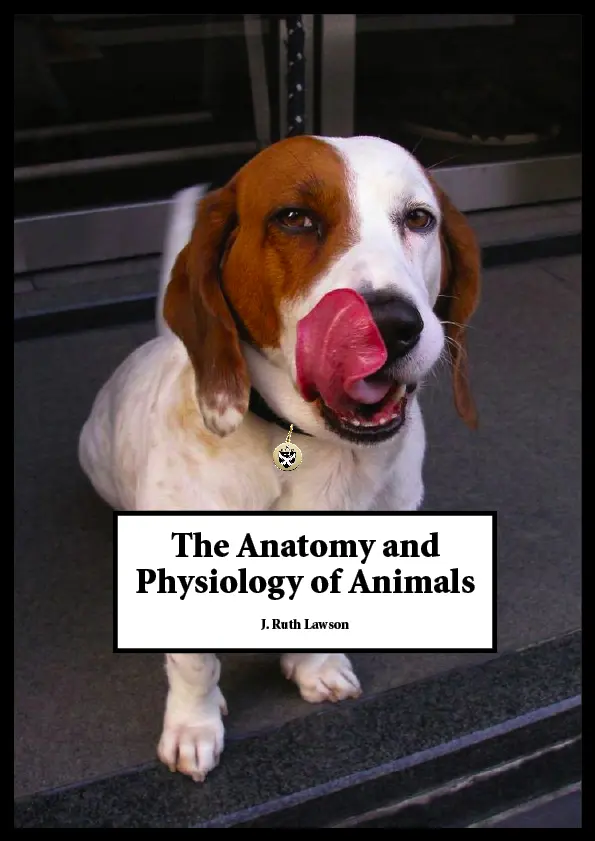
You’ll gain a clear, practical foundation in anatomy and physiology of animals, understanding how animal bodies are built and how they function, with a focus on the core principles that matter most for clinical care and veterinary training. This resource provides the essential anatomical facts and physiological concepts needed to understand health, disease, and treatment in animals.
Expect explanations that connect structure to function and examples that show how those ideas apply in teaching and hands-on practice at Otago Polytechnic. The article will walk you through essential systems, common clinical implications, and how that knowledge prepares you for veterinary work.
Core Principles of Animal Anatomy and Physiology
You will learn how body form enables function, how organ systems coordinate to support life, and how physiological processes maintain stable internal conditions. Expect concrete examples of structural design, key system roles, and the mechanisms that keep variables like temperature and pH within narrow limits.
Body Structure Fundamentals
You examine hierarchical organization from cells to whole organisms. Cells form tissues (epithelial, connective, muscle, nervous) that build organs; organ arrangement and tissue composition determine mechanical properties and metabolic capacity. For example, skeletal muscle fiber alignment and connective-tissue attachments govern force direction and range of motion, while cartilage distribution affects joint flexibility and load-bearing.
Body symmetry and body plans influence organ placement and movement. Bilateral symmetry concentrates sensory organs and central nervous structures anteriorly, aiding directional movement. Comparative features—such as variations in limb structure, dentition, and integument—reflect dietary niche, locomotor strategy, and habitat.
Use this checklist to evaluate structural roles:
- Tissue types and distribution
- Skeletal support and joint morphology
- Muscle arrangement and attachment sites
- Surface specializations (scales, fur, feathers, glands)
Organ Systems Overview
You focus on each organ system’s primary functions and key components. Major systems include:
- Circulatory: heart, blood vessels, blood — transports O2, nutrients, hormones, and removes CO2/waste.
- Respiratory: lungs or gills, airways — enables gas exchange and acid–base balance.
- Digestive: mouth, stomach, intestines, liver, pancreas — processes food, absorbs nutrients, excretes residues.
- Nervous: brain, spinal cord, peripheral nerves — senses environment, integrates signals, controls behavior.
- Endocrine: glands and hormones — modulates long-term regulation of metabolism, growth, reproduction.
- Musculoskeletal: bones, muscles, tendons — provides support, protects organs, enables movement.
- Excretory/renal: kidneys, ureters, bladder — filters blood, regulates water, electrolytes, and pH.
- Reproductive: gonads and ducts — produces gametes and supports offspring development.
- Integumentary & immune components protect against pathogens and regulate heat.
Consider interdependence: oxygen delivery requires respiratory gas exchange and circulatory transport; renal excretion depends on liver metabolism and endocrine control. When assessing an animal, identify primary organ structures, their interaction, and failure points that commonly cause system-wide effects.
Homeostasis Mechanisms
You study feedback systems that maintain internal constancy. Negative feedback dominates: sensors detect deviations (e.g., thermoreceptors, chemoreceptors), control centers (brain, endocrine glands) compare to set points, and effectors (sweat glands, muscles, kidneys, hormonal axes) enact corrective responses. Example: when blood glucose rises, pancreatic beta cells release insulin to increase cellular uptake and lower glucose.
Positive feedback appears in specific processes that amplify change, such as parturition and blood clotting, but remains limited to avoid runaway dynamics. Redundancy and feedforward control improve stability; anticipatory responses (salivation before feeding) reduce deviation magnitude.
Key mechanisms and variables to monitor:
- Signals: neural impulses, circulating hormones
- Effectors: muscles, glands, kidneys, metabolic pathways
- Controlled variables: temperature, osmolarity, blood pH, glucose, ion concentrations
- Time scales: rapid neural reflexes (milliseconds–seconds) vs. endocrine regulation (minutes–days)
You evaluate homeostatic capacity by testing response amplitude, recovery time, and failure thresholds.
Applications in Veterinary Education at Otago Polytechnic
This section highlights how the text supports hands-on skill building, structured classroom instruction, and measurable assessment strategies that you will encounter in the veterinary nursing program.
Teaching Methodologies by Ruth Lawson
Ruth Lawson structures material to align with vocational outcomes, so you receive focused, job-relevant knowledge. She presents anatomy and physiology in layered lessons that begin with core terminology and progress to system interactions, helping you build one concept on another.
You will find clear diagrams and case-focused examples that instructors at Otago Polytechnic can use to frame lectures and guided discussions. These resources support flipped-classroom approaches where you review readings before class and spend contact time on application.
Lawson’s emphasis on species-specific comparisons lets you contrast canine, feline, and production-animal anatomy in targeted modules. That approach makes it easier for you to transfer classroom theory into species-appropriate clinical practices.
Practical Learning Approaches
You will use the book alongside lab dissections, simulated clinical stations, and live-animal observation to anchor theoretical concepts in real tasks. The text’s concise descriptions of tissue layers and organ relationships map directly to dissection steps and palpation techniques you must master.
Integrate images from the text into station checklists and stepwise skill sheets so students follow standardized procedures. In labs, instructors pair the book’s labeled anatomy with hands-on practice: identification drills, ultrasound orientation, and basic suturing tied to relevant anatomical landmarks.
The book’s clinical vignettes serve as prompts for problem-based learning. You, as a student, work in small teams to diagnose functional issues using the anatomical and physiological clues the text presents.
Assessment and Skill Development
Assessments draw on the book’s clear learning objectives to create aligned exams and OSCE (Objective Structured Clinical Examination) stations. Use Lawson’s chapter outcomes to write multiple-choice items that test factual recall and short-answer prompts that assess applied reasoning.
Practical assessments focus on observable competencies: correct organ identification, proper handling during palpation, and demonstration of appropriate restraint techniques tied to anatomy. Rubrics reference specific anatomical markers from the book so grading remains objective and reproducible.
For ongoing skill development, combine formative quizzes based on key diagrams with timed practical circuits. Those circuits emulate clinical tasks and let instructors track improvement with checklists derived from the book’s stepwise procedures.



Class 10 Kumarbharti- Urdu: Complete Study Guide and Exam Preparation Tips
You need a clear path through Class 10 Kumarbharti- Urdu to score well and understand the …

HRMS Globex: Streamlining Workforce Management for Modern Businesses
HRMS Globex is a comprehensive human resource management system designed to streamline workforce administration …