Class 10 Kumarbharti- Urdu: Complete Study Guide and Exam Preparation Tips

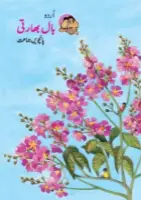
You need a clear path through Class 10 Kumarbharti- Urdu to score well and understand the syllabus confidently. This guide shows what matters most in the Kumarbharti textbook, how to approach poems, prose and grammar, and practical study strategies you can apply right away.
You’ll find focused explanations of the textbook structure, chapter-wise emphasis, and exam-oriented tips that save time and boost retention. Expect concise methods for note-making, practising question types, and using available PDFs and past papers to reinforce learning.
Understanding Class 10 Kumarbharti- Urdu
This section explains what the Kumarbharti Urdu syllabus covers, how exams are structured and marked, the recurring literary themes you must grasp, and the principal authors and prescribed works you will study.
Overview of the Syllabus
The Kumarbharti Class 10 Urdu syllabus mixes prose, poetry, and grammar to develop reading, comprehension, and expressive skills. You will study prescribed textbooks (often titled Kumarbharti or Kumar Bharati in Urdu medium) that include short stories, essays, nazms, ghazals, and one-act plays selected to reflect language usage and cultural context.
Grammar and composition form a separate component. Expect chapters on sentence structure, verb forms, idioms, letter writing, précis, and paragraph writing. Guided comprehension passages and unseen passages test your analytical and vocabulary skills.
Internal assessment or periodic tests may require project work, oral recitation, and handwriting practice. Check your state board circular for exact textbook editions and any annexed supplementary materials.
Exam Structure and Marking Scheme
Written exams typically divide into sections: Reading, Writing/Composition, Grammar, and Literature. Reading sections include unseen passages with short-answer and long-answer questions. Writing tasks ask for letters, essays, stories, or summaries.
Literature questions cover prescribed chapters and poems; expect short-answer, long-answer, and extract-based questions. Grammar questions test transformation, vocabulary, and sentence correction.
Mark distribution example (may vary by board):
- Reading: 20–30 marks
- Writing & Grammar: 30–40 marks
- Literature: 30–40 marks Practical/oral assessment or internal marks: 10–20 (if applicable).
Time management matters: allocate time per section based on marks. Learn rubrics for handwriting, accuracy, and content organization to secure higher marks in composition and literature answers.
Key Literary Themes
You will encounter themes such as social reform, human values, rural-urban life, patriotism, and moral dilemmas. Many prose pieces emphasize social critique—class differences, education, and female empowerment—so identify the author’s viewpoint and textual evidence.
Poetry commonly explores love, nature, spiritual longing, and national identity. Ghazals often use metaphors of separation and yearning; nazms address contemporary social issues in a direct tone.
Analytical skills matter: annotate themes, motifs, and recurring symbols. For answer-writing, link theme statements with specific lines, stanza references, or incidents from stories to demonstrate textual grounding.
Major Authors and Works
Your Kumarbharti selections include a mix of classical and modern Urdu writers. Expect poems and prose by well-known figures such as Mirza Ghalib (selected couplets), Allama Iqbal (short nazms), and contemporary regional writers chosen by the Maharashtra board for cultural relevance.
Prescribed works often contain short stories by modern Urdu authors, sample essays, and one-act plays reflecting social themes. Textbook chapters usually list author names alongside titles; memorize these pairings for citation in answers.
Create a quick-reference table for study:
- Author — Representative Work(s) — Focus
- Mirza Ghalib — Selected ghazal couplets — Classical imagery, metaphysical themes
- Allama Iqbal — Short nazms — Philosophical and patriotic ideas
- Regional contemporary writers — Short stories/essays — Social realism, local culture
Use this table to track which works you must quote and practice writing contextual lines for each author to improve answer quality.
Study Strategies for Class 10 Kumarbharti- Urdu
Focus on targeted revision of prescribed poems, prose and grammar rules; practice answer formats and manage study blocks to cover reading, writing, and memorization. Prioritize past-board question patterns, timed writing, and regular self-testing.
Effective Revision Approaches
Create a revision map listing all chapters, ghazals, nazms, and grammar topics with page references and weightage based on past papers. Use a two-tier system: daily quick reviews (15–20 minutes) for memorized verses and weekly deep reviews (45–60 minutes) for long-answer prose and tafsir (explanation).
Use active recall: cover the text and reproduce couplets or summaries aloud, then check accuracy. Make concise flashcards for difficult vocabulary, idioms, and tashreeh (interpretation) points. Mark important lines and write 1–2 line summaries for each chapter in your own words to aid retention.
Rotate subjects: revise Urdu in the morning when recall is sharper, and do writing practice in the afternoon. Track weak areas on a simple chart and increase review frequency for those topics.
Important Tips for Answer Writing
Always start long answers with a clear topic sentence that states the main idea. For tashreeh or tafsir, quote the line in Urdu (or transliteration if allowed) and immediately provide a brief literal meaning followed by contextual interpretation in 2–3 sentences.
Follow a structured layout for different question types:
- Short answer: 2–4 lines, direct point + one example.
- Long answer: intro (1 line), 3–5 explanatory paragraphs, conclusion (1 line).
- Poetry explanation: line(s) quoted, literal meaning, poetic devices, thematic relevance.
Use neat handwriting, underline key words, and keep margins for brief annotations. Time a few full-length answer sheets under exam conditions at least twice before boards to improve clarity and presentation.
Time Management Techniques
Make a weekly timetable that assigns fixed slots: 5 focused sessions for Kumarbharti topics (30–60 minutes each) and 2 sessions for mixed practice. Use the Pomodoro method (25/5) for difficult sections to maintain concentration and prevent fatigue.
Allocate study time by marks: spend more hours on chapters that carry higher board weight and on grammar items you frequently err in. Reserve at least two weekend blocks for full-length practice papers and revision of errors.
During exam practice, simulate real timings: practice paper segments within the exact allotted time. After each timed paper, spend 20–30 minutes analyzing mistakes and rewriting one poorly answered question to cement improvement.



Complete Acoustic Solutions in Qatar for Offices, Studios & Commercial Spaces
Are you planning for a well-designed workplace? If you are looking for smart acoustic solu…

HRMS Globex: Streamlining Workforce Management for Modern Businesses
HRMS Globex is a comprehensive human resource management system designed to streamline workforce administration …