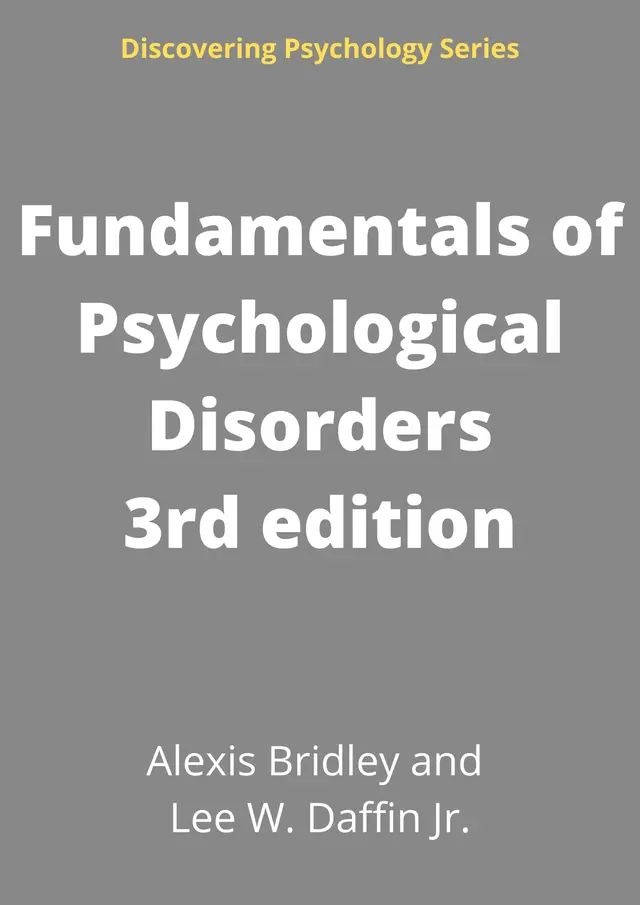
Fundamentals of Psychological Disorders 3rd Edition by Alexis Bridley & Lee W. Daffin Jr.: A Complete Learning Guide
Understanding psychological disorders is essential for anyone studying psychology, counseling, or mental health sciences. The book “Fundamentals of Psychological Disorders 3rd Edition” by Alexis Bridley and Lee W. Daffin Jr. provides a structured and easy-to-understand introduction to mental health conditions, their causes, symptoms, and treatment approaches.
This book is widely used by psychology students and educators because it explains complex mental health topics in a clear and accessible way. Instead of presenting only theory, it combines research findings, real-world examples, and clinical insights to help readers understand how psychological disorders affect individuals and society.
In this guide, we will explore the core concepts of the book, the importance of learning about psychological disorders, and how this knowledge helps students, researchers, and mental health professionals.
What Are Psychological Disorders?
Psychological disorders, also known as mental disorders or mental illnesses, refer to patterns of thoughts, emotions, or behaviors that cause distress or impair a person’s ability to function in daily life.
These disorders may influence:
-
Emotional stability
-
Thinking patterns
-
Social behavior
-
Personal relationships
-
Work and academic performance
The book explains that psychological disorders are not simply mood changes or temporary stress. They are clinically recognized conditions that require proper diagnosis and treatment.
Some common categories include:
-
Anxiety disorders
-
Mood disorders
-
Personality disorders
-
Psychotic disorders
-
Trauma-related disorders
Understanding these categories helps students recognize symptoms and learn how different treatments are applied.
Overview of Fundamentals of Psychological Disorders 3rd Edition
The 3rd edition provides updated research, modern diagnostic frameworks, and simplified explanations of mental health concepts.
Key highlights of the book include:
Clear Explanation of Mental Health Concepts
The authors explain psychological theories in a straightforward manner, making the material easier for students who are new to psychology.
Coverage of Major Mental Disorders
The book explores a wide range of disorders such as:
-
Depression
-
Bipolar disorder
-
Schizophrenia
-
Anxiety disorders
-
Eating disorders
-
Personality disorders
Each disorder is discussed with symptoms, causes, diagnostic criteria, and treatment options.
Evidence-Based Psychological Research
Another strength of the book is its reliance on scientific studies and psychological research. This helps readers understand how modern mental health treatments are developed.
Real-World Case Studies
Case examples are included to demonstrate how psychological disorders appear in real situations. These examples help readers connect theory with real clinical practice.
Why Learning About Psychological Disorders Matters
Studying psychological disorders provides valuable insight into human behavior and mental health.
Better Understanding of Mental Health
Learning about mental illnesses reduces misconceptions and helps individuals understand the complexity of mental health challenges.
Early Identification of Symptoms
Knowledge about psychological disorders allows people to identify warning signs early, which can lead to faster treatment and improved outcomes.
Support for Mental Health Awareness
Education plays an important role in reducing stigma associated with mental illness. Books like this help create a more informed and empathetic society.
Academic and Career Development
For psychology students, understanding psychological disorders is essential for careers in:
-
Clinical psychology
-
Counseling
-
Psychiatry
-
Social work
-
Mental health research
Key Psychological Disorder Categories Explained
The book provides detailed explanations of several important mental disorder categories.
Anxiety Disorders
Anxiety disorders involve excessive fear or worry that interferes with daily activities.
Common examples include:
-
Generalized anxiety disorder
-
Panic disorder
-
Social anxiety disorder
-
Specific phobias
These conditions often involve physical symptoms such as rapid heartbeat, sweating, and difficulty concentrating.
Mood Disorders
Mood disorders primarily affect emotional states and may cause extreme sadness or mood fluctuations.
Two major mood disorders include:
Major Depressive Disorder
Symptoms may include persistent sadness, loss of interest, fatigue, and difficulty concentrating.
Bipolar Disorder
This disorder involves cycles of depression and mania, where individuals experience extreme energy, impulsivity, and elevated mood.
Psychotic Disorders
Psychotic disorders involve distorted perceptions of reality.
Schizophrenia is one of the most widely discussed psychotic disorders and may involve symptoms such as:
-
Hallucinations
-
Delusions
-
Disorganized thinking
-
Social withdrawal
The book explains how biological, psychological, and environmental factors contribute to these conditions.
Personality Disorders
Personality disorders are long-term patterns of behavior and thinking that affect relationships and social functioning.
Examples include:
-
Borderline personality disorder
-
Narcissistic personality disorder
-
Antisocial personality disorder
Understanding personality disorders helps clinicians design appropriate therapeutic strategies.
Treatment Approaches for Psychological Disorders
Another important section of the book focuses on treatment methods used in mental health care.
Psychotherapy
Psychotherapy is one of the most common treatments for psychological disorders. It involves structured conversations between a therapist and patient to identify and address mental health issues.
Common therapy types include:
-
Cognitive Behavioral Therapy (CBT)
-
Psychodynamic therapy
-
Humanistic therapy
-
Behavioral therapy
Medication
Certain psychological disorders require medication to manage symptoms.
Examples include:
-
Antidepressants
-
Antipsychotics
-
Mood stabilizers
-
Anti-anxiety medications
These medications help regulate brain chemistry and reduce symptoms.
Lifestyle and Support Systems
Treatment also includes lifestyle adjustments such as:
-
Stress management
-
Healthy sleep routines
-
Social support
-
Physical activity
A combination of therapy, medication, and lifestyle changes often produces the best results.
How Students Can Use This Book for Learning
Psychology students can use Fundamentals of Psychological Disorders 3rd Edition as a practical study resource.
Some effective learning strategies include:
Structured Chapter Reading
Reading chapters in sequence helps build foundational knowledge before moving to complex topics.
Reviewing Case Studies
Case examples provide real-life context and help students understand diagnostic processes.
Applying Concepts to Real Situations
Students can relate psychological theories to real behavioral patterns observed in everyday life.
Many students also use digital learning platforms such as Netbookflix to explore psychology resources, video lectures, and supplementary learning materials related to mental health topics.
Frequently Asked Questions (FAQs)
1. What is Fundamentals of Psychological Disorders 3rd Edition about?
It is a psychology textbook that explains mental disorders, their symptoms, causes, and treatment methods in a clear and structured format.
2. Who are the authors of Fundamentals of Psychological Disorders 3rd Edition?
The book was written by Alexis Bridley and Lee W. Daffin Jr., both experienced educators in the field of psychology.
3. Who should read this book?
It is ideal for psychology students, mental health professionals, counselors, and anyone interested in understanding psychological disorders.
4. What topics are covered in the book?
The book covers anxiety disorders, mood disorders, psychotic disorders, personality disorders, diagnostic methods, and treatment approaches.
5. Is this book suitable for beginners in psychology?
Yes. The book is written in an accessible style that helps beginners understand complex psychological concepts.
6. Does the book include real-life examples?
Yes, it includes case studies and examples that illustrate how psychological disorders affect individuals in real situations.
7. How does the book explain mental disorder diagnosis?
It explains diagnostic criteria, symptom identification, and the importance of professional psychological evaluation.
8. Are treatment methods discussed in the book?
Yes. The book explains psychotherapy, medication, and other mental health treatment strategies.
9. Why is it important to study psychological disorders?
Studying psychological disorders helps improve mental health awareness, supports early diagnosis, and contributes to effective treatment methods.
10. What makes the 3rd edition different from earlier versions?
The third edition includes updated psychological research, improved explanations, and expanded discussions on modern mental health practices.
Conclusion
Mental health is a critical part of overall well-being, and understanding psychological disorders helps individuals recognize and address mental health challenges effectively.
Fundamentals of Psychological Disorders 3rd Edition by Alexis Bridley and Lee W. Daffin Jr. provides a well-organized and research-based introduction to mental illnesses. Its clear explanations, case studies, and coverage of treatment methods make it a valuable learning resource for psychology students and anyone interested in mental health.
By studying the concepts presented in this book, readers gain deeper insight into how psychological disorders develop, how they affect people’s lives, and how mental health professionals work toward effective treatment and recovery.
Easy and Reliable Car Rental Malta Airport with Baron Car and Scooter Hire
Traveling to Malta should feel simple from the moment you land. With car rental Malta airp…

Most Popular Stories
HRMS Globex: Streamlining Workforce Management for Modern Businesses
HRMS Globex is a comprehensive human resource management system designed to streamline workforce administration …