Marathi Balbharati Class 3 (Maharashtra Bureau of Textbook): A Complete Guide for Students and Parents

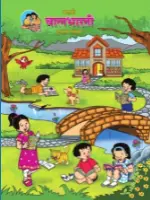
The Marathi Balbharati Class 3 textbook, published by the Maharashtra Bureau of Textbook Production and Curriculum Research (Balbharati), plays an important role in primary education across Maharashtra. It is designed to help young learners strengthen their Marathi language skills while developing curiosity, creativity, and moral understanding.
At the third-grade level, children begin building stronger reading and comprehension abilities. This stage is crucial because it shapes how students understand language, stories, and communication. The Marathi Balbharati Class 3 book supports this development through engaging stories, poems, activities, and exercises that make learning both educational and enjoyable.
Today, many students also complement their textbook learning with digital tools such as e-books, learning platforms, and audio books online, which make studying more interactive and accessible.
What Is the Marathi Balbharati Class 3 Textbook?
The Marathi Balbharati Class 3 textbook is an official learning resource used in Maharashtra state schools. It follows the curriculum guidelines established by the Maharashtra Bureau of Textbook Production and Curriculum Research.
The book aims to:
-
Improve Marathi reading and writing skills
-
Develop vocabulary and comprehension
-
Encourage creative thinking
-
Introduce moral values through stories and poems
Unlike traditional textbooks that focus only on theory, Balbharati books combine storytelling, illustrations, and exercises to help children understand concepts naturally.
Role of the Maharashtra Bureau of Textbook Production and Curriculum Research
The Maharashtra Bureau of Textbook Production and Curriculum Research, widely known as Balbharati, is responsible for creating school textbooks used in Maharashtra.
Its responsibilities include:
-
Developing textbooks according to the state curriculum
-
Ensuring educational quality and accuracy
-
Making learning materials simple and student-friendly
-
Supporting teachers with structured learning resources
These textbooks are developed with input from educators, subject experts, and curriculum specialists to ensure that the content meets educational standards and is appropriate for young learners.
Key Features of Marathi Balbharati Class 3
1. Engaging Stories
The book includes several short stories that are easy for children to understand. These stories often focus on themes such as friendship, honesty, kindness, and teamwork.
Through storytelling, students learn language naturally while also developing emotional intelligence and moral values.
2. Poems and Rhymes
Poetry is an important part of the Marathi language curriculum. The poems in the book help children understand rhythm, pronunciation, and creative expression.
Reading poems also improves pronunciation and memory.
3. Visual Learning Through Illustrations
Children learn better when visual elements are included. The Marathi Balbharati Class 3 textbook contains colorful illustrations that help students understand stories and concepts more easily.
Pictures also encourage imagination and engagement.
4. Practice Exercises
Each chapter includes exercises that help students review what they have learned. These exercises may include:
-
Question and answer sections
-
Vocabulary activities
-
Writing tasks
-
Reading comprehension exercises
Regular practice helps strengthen language skills and builds confidence in students.
Why This Textbook Is Important for Students
Strengthens Language Skills
The structured lessons improve reading, writing, and comprehension abilities in Marathi.
Encourages Creative Thinking
Stories and poems encourage children to think creatively and interpret ideas in their own way.
Builds Moral Understanding
Many lessons include meaningful messages that help students understand values like respect, kindness, and responsibility.
Makes Learning Enjoyable
Because the content includes stories, activities, and illustrations, children remain interested in learning.
The Growing Role of Digital Learning
While printed textbooks remain essential, digital learning tools are becoming increasingly helpful for students.
Students today often use:
-
Digital textbooks
-
Educational videos
-
Online learning platforms
-
Audio books online
Listening to audio versions of stories can improve pronunciation and listening skills. It also helps students who learn better through auditory methods.
Some educational platforms, such as Netbookflix, provide digital learning resources that allow students to access educational materials in more flexible and engaging formats.
Practical Tips for Parents and Teachers
Supporting children while they study the Marathi Balbharati Class 3 book can make learning more effective.
Encourage Reading Aloud
Reading aloud helps children improve pronunciation and confidence while strengthening comprehension.
Discuss Stories Together
After reading a story, ask children questions about the characters and the message of the story. This helps develop critical thinking.
Practice Writing Regularly
Encourage students to write short sentences, summaries, or answers based on the chapters they read.
Use Visual and Audio Learning
Combining textbook learning with visual explanations or audio books online can improve understanding and retention.
Frequently Asked Questions (FAQs)
1. What is Marathi Balbharati Class 3?
Marathi Balbharati Class 3 is a state-approved textbook developed by the Maharashtra Bureau of Textbook Production and Curriculum Research for third-grade students studying Marathi.
2. Who publishes the Balbharati textbooks?
The textbooks are published by the Maharashtra Bureau of Textbook Production and Curriculum Research (Balbharati), which develops official school textbooks in Maharashtra.
3. What topics are included in the Marathi Balbharati Class 3 book?
The book includes stories, poems, reading exercises, vocabulary activities, and writing practice designed to improve Marathi language skills.
4. Why is the Balbharati textbook important for students?
It helps students develop reading comprehension, writing skills, vocabulary, and moral understanding through structured lessons and engaging content.
5. Is the Marathi Balbharati Class 3 textbook available online?
Yes, many educational platforms and digital resources provide access to the textbook in digital formats for students and teachers.
6. How can students improve their Marathi reading skills using this book?
Students can improve by reading daily, practicing exercises, discussing stories, and listening to audio books online that support language learning.
7. What role do illustrations play in the book?
Illustrations help children understand stories better and make the learning experience more engaging and enjoyable.
8. Can parents help children study the Balbharati textbook?
Yes. Parents can support learning by encouraging reading aloud, discussing stories, and helping with practice exercises.
9. How does digital learning support textbook education?
Digital learning tools provide additional resources such as videos, interactive lessons, and audio books online that complement textbook learning.
10. Why are Balbharati textbooks widely trusted?
Balbharati textbooks are developed by education experts and follow the official curriculum guidelines set by the Maharashtra education system.
Conclusion
The Marathi Balbharati Class 3 textbook is an essential learning resource for young students in Maharashtra. Through stories, poems, and interactive exercises, it helps children build strong language skills while developing creativity and moral understanding.
When supported by consistent practice, parental guidance, and modern digital learning tools such as audio books online, students can gain an even deeper understanding of the language.
By combining traditional textbook learning with modern educational resources, students can develop stronger literacy skills and a lifelong interest in reading and learning.
Personal Licences Courses: A Complete Guide to Your Premises Licence Application
Since you intend to sell alcohol in the UK, it would be necessary to be informed about th…

Celebrating the Beauty of Diverse Perspectives
This paragraph serves as an introduction to your blog post. Begin by discussing the …